
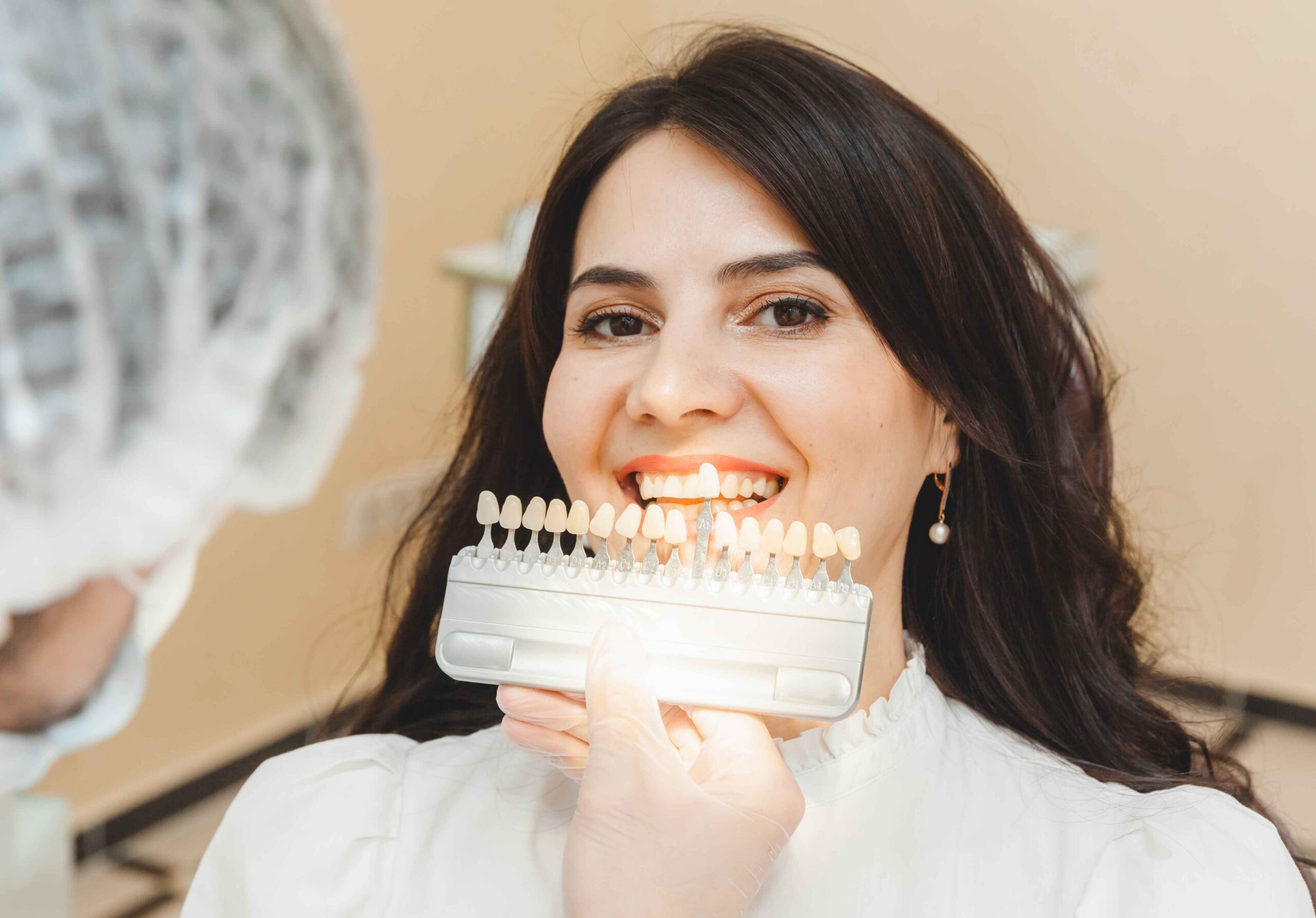
Teeth whitening may help selected patients brighten natural tooth stains caused by coffee, tea, wine, tobacco, aging, or surface discoloration. Patients in Toronto ON, East York ON, and Danforth, ON should have a dental evaluation first to check cavities, enamel wear, gum recession, sensitivity, and visible restorations. Whitening does not change crowns, veneers, bonding, fillings, bridges, or implant crowns, so shade planning should happen before cosmetic or restorative updates.
A brighter smile often starts with a small moment of noticing. A patient may see their teeth look dull in a photo, feel that coffee stains are showing more, or notice that an older front filling stands out beside natural enamel. For patients in Toronto ON, East York ON, and Danforth,ON, the question is not only how to brighten teeth. It is whether whitening fits the cause of the colour change.
Teeth whitening may be considered when stains affect natural tooth structure, but not every darker area responds the same way. Enamel, dentin, restorations, sensitivity, diet, and oral health all play a role.
A useful cosmetic visit should explain what may brighten, what will not change, and whether any dental concern should be treated before shade improvement begins.
Tooth Colour Can Change for Different Reasons
Tooth shades can shift because of daily habits such as coffee, tea, red wine, tobacco, dark sauces, and frequent staining drinks. These stains often build slowly, which can make the change hard to notice at first.
Other colour changes may come from the inside of the tooth. Trauma, aging, enamel thinning, exposed roots, or older dental work can make one tooth or several teeth appear darker.
Patients in Toronto, ON should avoid assuming that every dark area is the same type of stain. A dental exam can help separate surface discoloration from concerns that may need a different plan.
Natural Teeth and Restorations Do Not Respond Alike
Whitening works on natural tooth structure. It does not change the shade of crowns, veneers, bonding, fillings, bridges, or implant crowns.
This matters when dental work is visible in the smile. If natural teeth become lighter, but an older filling stays the same colour, the restoration may look more noticeable.
Patients in East York ON and Danforth, ON should tell the dentist about any visible dental work before starting care. Shade planning may need to include timing for possible restoration repair or replacement after the natural teeth settle.
The Exam Comes Before the Shade Goal
A brighter shade should not be planned before oral health is checked. Cavities, gum inflammation, enamel cracks, worn edges, and recession can affect comfort and timing.
Cleaning may also be recommended before shade planning. Plaque and tartar can make teeth look dull and may hide the true tooth colour underneath.
Teeth Whitening Treatment should begin after the dentist reviews whether the teeth and gums are ready. This helps prevent starting cosmetic care while an active dental issue is present.
Realistic Shade Goals Matter
A patient may want a brighter smile, but each tooth has its own natural starting shade. Enamel thickness, dentin colour, age, stain type, and past dental history can affect the level of change.
Teeth whitening should involve a clear discussion about expectations. It should not promise an exact shade or a permanent result.
Patients in Toronto ON, East York ON, and Danforth ON may find it helpful to ask what type of stain is present. That answer can guide whether whitening is likely to help or whether another option should be considered.
Store Products Can Be Hard to Compare
Whitening strips, toothpastes, rinses, pens, and online products can sound similar, but they may work in different ways. Some mainly remove surface stains, while others stay on the enamel longer.
Using more product or leaving it on longer does not always improve the result. It may irritate the gums or increase sensitivity.
A Teeth Whitening Dentist can help patients understand whether whitening is appropriate before they begin. This is especially useful for patients with sensitivity, gum recession, uneven colour, or visible dental work.
Same-Day Options Need the Same Careful Review
Some patients ask about faster whitening because they have an event, meeting, photo session, or personal goal. Speed can be appealing, but oral health still needs to come first.
Same-Day Teeth Whitening may be discussed for selected patients after the dentist checks teeth, gums, sensitivity, and restorations. It is not the right choice for every stain or every mouth.
Patients should ask what the visit may involve, what sensitivity is possible, and what results are realistic. A faster visit still needs careful screening.
Whitening Is Not Tooth Repair
Some patients ask for a brighter smile when the main concern involves chips, worn edges, old bonding, enamel defects, or uneven tooth shape. Whitening changes shade, not tooth structure.
If a tooth has cracked edges or worn enamel from grinding, cosmetic planning may need to include bite review. A lighter shade alone may not address the full concern.
Teeth whitening can be part of a cosmetic plan, but it should not be used to cover a dental concern that needs diagnosis or repair.
Daily Habits Can Change the Result Over Time
A brighter shade can change again as new stains collect. Coffee, tea, red wine, tobacco, dark sauces, and frequent acidic drinks can affect how long teeth look brighter.
Rinsing with water after staining drinks may help reduce buildup. Daily brushing, flossing, and routine cleaning also support a cleaner-looking smile.
Teeth Whitening Treatment should include maintenance advice. Patients should understand how diet, habits, enamel, and oral hygiene may affect long-term appearance.
A Personalized Plan Is Safer Than Guesswork
No whitening plan should be one-size-fits-all. A patient with sensitive teeth may need different guidance than someone with surface stains and no restorations.
A patient with crowns or bonding near the front may need shade planning before starting. Someone with untreated cavities may need restorative care first.
A Teeth Whitening Dentist may review stains, enamel, gums, sensitivity, restorations, and cosmetic goals before recommending a path. This helps patients choose care that fits their mouth rather than guessing from product labels.
What Patients May Value from Shade Planning
A focused cosmetic visit can make the process easier to understand.
Patients may value:
- A review of stain type
- Cavity and gum checks before whitening
- Sensitivity discussion
- Cleaning recommendations when needed
- Restoration shade review
- Guidance about what will not whiten
- Timing advice before fillings or bonding
- Maintenance tips after treatment
These benefits depend on enamel, gum health, stain type, existing dental work, daily habits, and patient goals.
What the Visit May Include
Before caring, the dentist may review tooth shade, enamel, gums, cavities, sensitivity, older restorations, bite wear, and cosmetic goals. A cleaning or treatment for active dental concerns may be recommended first.
During Same-Day Teeth Whitening, patients should receive instructions that match the selected approach. The dentist may explain timing, possible sensitivity, and what foods or drinks may affect staining after care.
After treatment, patients should continue brushing, flossing, and routine dental visits. If older restorations no longer match, the dentist may discuss whether repair or replacement should be considered after the shade stabilizes.
Local Patient Review
“I thought whitening would fix every darker area near my front teeth. The visit helped me understand which parts were natural enamel, and which were older dental work.”
A More Thoughtful Way to Review Smile Brightness
Patients in Toronto ON, East York ON, and Danforth ON can make better decisions when stains, sensitivity, restorations, and timing are reviewed first. A brighter smile should begin with healthy teeth, stable gums, and clear expectations about what can change. Dental Care Group can help explain suitable next steps after a complete evaluation for patients exploring cosmetic shade options.
Frequently Asked Questions
Can whitening help coffee or tea stains?
It may help many stains on natural teeth from coffee, tea, and similar habits. A dental exam can confirm whether the stain type is suitable.
Will my fillings or crowns get lighter too?
No, fillings, crowns, bonding, veneers, bridges, and implant crowns do not whiten. They may need separate shade planning if they show when you smile.
Why do I need an exam before whitening?
The dentist should check cavities, gum recession, enamel wear, sensitivity, and restorations first. These factors can affect comfort and timing.
Can whitening cause tooth sensitivity?
Some patients may notice temporary sensitivity. Existing recession, enamel wear, cracks, or untreated decay may raise that risk.
Should I clean first?
Cleaning may remove buildup and show the true tooth shade. The dentist can recommend timing after checking your teeth and gums.
How long will the brighter shade last?
Timing varies based on diet, tobacco use, enamel, oral hygiene, and dental cleaning. Staining habits can change tooth colour again.
What if only one tooth looks darker?
A single dark tooth may need a different evaluation. Trauma, old dental work, internal discoloration, or root changes may be involved.
How do I know which cosmetic option fits me?
A dental visit can review stains, restorations, sensitivity, gums, and goals. The right option depends on what is causing the shade of concern.