
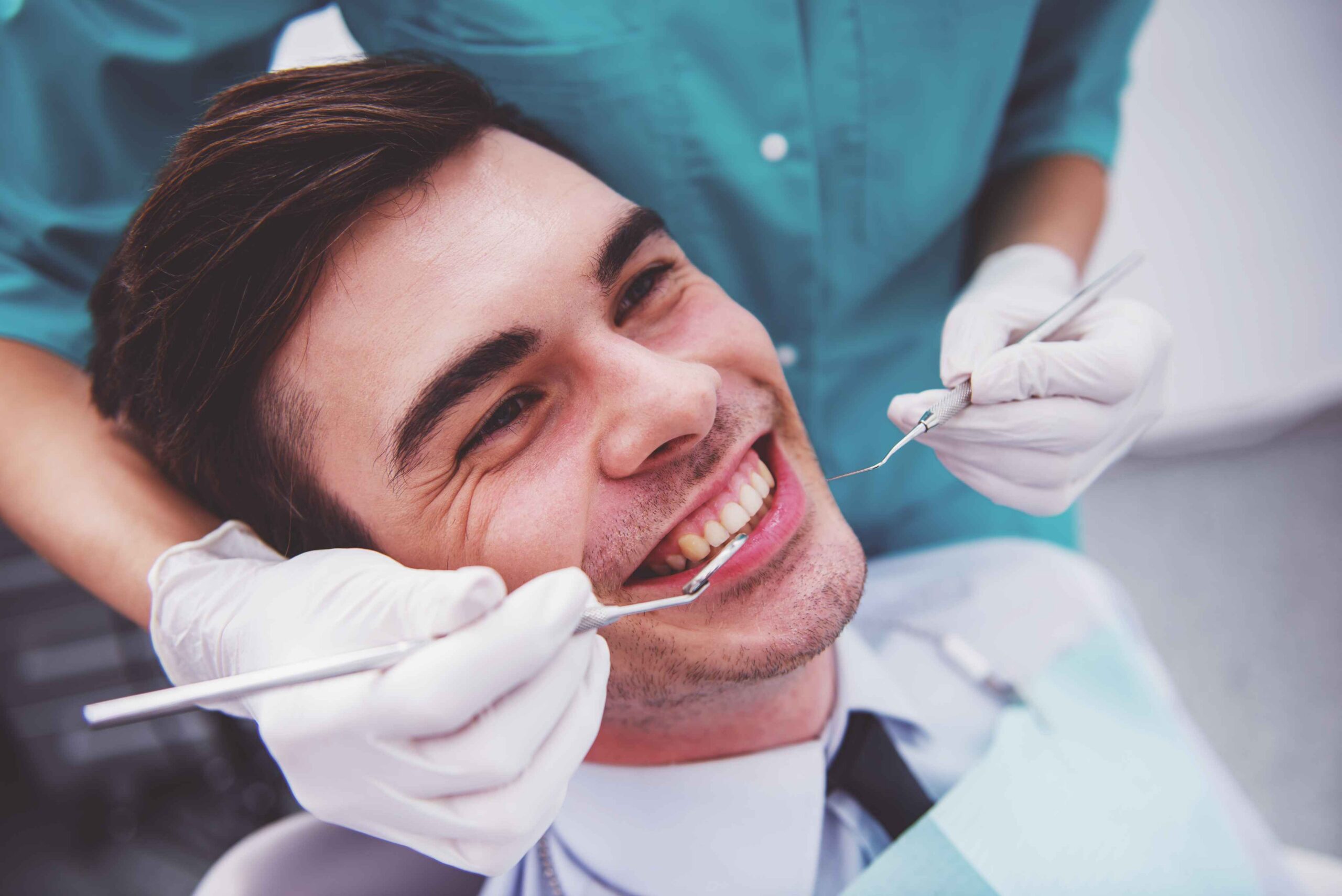
Wisdom teeth removal may be recommended when third molars cause pain, swelling, gum irritation, decay, infection risk, pressure near back teeth, or cleaning problems. Patients in Toronto ON, East York ON, and Danforth ON should have a dental evaluation first, often with X-rays, to check tooth position, eruption pattern, root shape, nearby teeth, and gum health. Treatment may range from monitoring to planned removal depending on symptoms, risk, and clinical findings.
Wisdom teeth can be quiet for years, then suddenly become hard to ignore. A patient may feel pressure behind the last molar, notice swelling near the back of gum, or have food trapped around a partly visible tooth. In Toronto ON, East York ON, and Danforth on, these concerns often come up when daily eating, brushing, or jaw comfort starts to change.
Wisdom teeth removal may be discussed when third molars are painful, partly erupted, hard to clean, decayed, infected, or affecting nearby teeth. The decision should begin with an exam, not with symptoms alone.
A careful visit helps the dentist see where the teeth are, how they are growing, and whether they should be monitored or treated. It also gives patients a clearer idea of what to expect before, during, and after care.
Back Molars Can Be Hard to Read
Wisdom teeth are the third molar at the very back of the mouth. Some come in fully, some come in partly, and some stay trapped under gum or bone.
Because they sit so far back, it can be harder to brush and floss well. Food and plaque may collect around them, especially when only part of the tooth has come through the gum.
Planning for wisdom teeth removal usually begins when the dentist sees signs that a back molar is causing problems or may be difficult to maintain. Patients in Toronto, ON should not rely only on pain, since some concerns develop before strong symptoms appear.
Partly Erupted Teeth Need Attention
A wisdom tooth that only comes through the gum partway can create a small pocket where bacteria and food collect. This area may become sore, swollen, or hard to clean.
Patients may notice a bad taste, gum tenderness, bleeding, or pain when chewing near the back of the mouth. Swelling, fever, pus, or trouble swallowing should be treated as warning signs that need prompt care.
A wisdom tooth extraction may be recommended when a partly erupted tooth keeps causing inflammation or cannot be cleaned well. The right choice depends on the tooth position, gum health, and X-ray findings.
Impacted Teeth May Need a Different Plan
An impacted tooth is one that cannot come in normally because it is blocked by bone, gum tissue, or another tooth. It may stay fully covered or appear only partly in the mouth.
Impacted wisdom teeth may be watched if they are not causing problems. In other cases, they may be linked with pain, cyst concerns, gum infection, decay, or damage to the tooth beside them.
In some cases, wisdom teeth surgery may be discussed if the tooth is trapped, angled, or difficult to access. The dentist should explain why the approach is recommended and what the patient should expect.
Not Every Wisdom Tooth Needs to Come Out
Some wisdom teeth grow in straight, have enough room, and can be cleaned well. If they are healthy and not causing problems, the dentist may recommend monitoring.
Monitoring may include routine exams, X-rays when needed, and watching changes in gum tissue, decay risk, or tooth position. A tooth that is fine today may still need to review over time.
Wisdom teeth removal is not recommended for every patient in the same way. Age, symptoms, tooth position, oral hygiene, medical history, and future risk all affect the decision.
Simple and Surgical Care Are Different
A tooth that has fully erupted may be easier to remove than one trapped under gum or bone. The dentist will explain the expected approach based on the exam and images.
A wisdom tooth extraction can be simple in some cases when the tooth is visible and accessible. A more involved approach may be needed when the tooth is impacted, angled, or close to important structures.
Patients should ask what type of visit is planned. Understanding the difference can help with preparation and aftercare.
What Healing May Feel Like
After removal, some soreness, swelling, and mild bleeding may occur. The dentist will give instructions for biting on gauze, eating softer foods, cleaning carefully, and avoiding habits that may disturb healing.
Patients should follow the specific directions they receive. Straws, smoking, forceful rinsing, or hard foods may be restricted during early healing.
Wisdom teeth extraction should include clear aftercare instructions. Patients should know what is expected and which symptoms should be reported.
Why Timing Can Matter
Some patients wait until a wisdom tooth becomes painful before asking about it. In some cases, earlier evaluations may make planning easier.
A tooth that has partly erupted, decayed, or repeatedly inflamed may become harder to manage if infection or swelling develops. The dentist may recommend care before symptoms become more severe.
Wisdom teeth surgery may involve more planning when tooth position, roots, or surrounding structures make removal complex. Timing should be based on the exam, symptoms, and risk.
Long-Term Monitoring Still Matters
Even after one wisdom tooth is treated, the others may still need monitoring. Each tooth can have a different position and risk level.
Patients who keep some wisdom teeth should continue routine exams. The dentist may watch for gum pockets, decay, cyst-like changes, or pressure near nearby molars.
Wisdom teeth extraction is only one possible outcome of an evaluation. Some teeth may be removed, while others may be watched if they are healthy and stable.
What Patients May Value from a Careful Evaluation
A clear assessment can help patients understand the reason behind a recommendation.
Patients may value:
- A review of back tooth pain and swelling
- Gum checks around partly erupted teeth
- X-rays to see tooth position
- Discussion of nearby molar health
- Simple versus surgical care explanation
- Health history review
- Aftercare instructions
- Follow-up guidance if healing concerns appear
These benefits depend on tooth position, symptoms, age, oral health, health history, and healing response.
What the Visit May Include
Before treatment, the dentist may review symptoms, gum condition, tooth position, medical history, medications, and any swelling or infection signs. X-rays may be recommended to see roots, angles, and nearby teeth.
During care, the dentist will follow the treatment plan explained before the appointment. The approach may vary depending on whether the tooth is visible, partly covered, or impacted.
After treatment, patients should receive instructions for bleeding control, eating, cleaning, activity, and symptoms to watch. Follow-up may be recommended if healing needs to be checked or if symptoms worsen.
Local Patient Review
“I had pressure behind my last molar and thought it was just irritation from brushing. The visit helped me understand why the X-ray and gum check were needed before deciding what to do.”
A Clearer Way to Plan Back Tooth Care
Back tooth pain, swelling, pressure, or repeated gum irritation should be reviewed with a careful exam and clear explanation. Patients in Toronto ON, East York ON, and Danforth on can make better decisions when tooth position, healing needs, and future risks are explained before care begins. For patients with concerns near the back molars, Dental Care Group can help review suitable next steps after a dental evaluation.
Frequently Asked Questions
How do I know if my wisdom teeth are causing pain?
Pain behind the last molar; gum swelling, bad taste, or chewing soreness may be signs. An exam and X-rays can help confirm the cause.
Do all wisdom teeth need to be removed?
No, some can be monitored if they are healthy, fully erupted, and easy to clean. The dentist will review position, symptoms, and risk.
What does it mean if a wisdom tooth is impacted?
An impacted tooth cannot come in normally because it is blocked by gum, bone, or another tooth. It may need monitoring or treatment depending on findings.
Can a partly erupted tooth get infected?
Yes, food and bacteria can collect under the gum flap around a partly erupted tooth. Swelling, pus, fever, or worsening pain should be checked promptly.
Will I need X-rays before treatment?
X-rays are often recommended because the roots and tooth angle cannot be fully seen during a visual exam. They help guide the treatment plan.
What should I eat after care?
Soft food is often easier during early healing. Follow the dentist’s instructions about chewing, straws, rinsing, and activity.
When should I call after treatment?
Call if pain worsens, swelling spreads, bleeding is heavy, fever appears, or swallowing becomes difficult. These symptoms need prompt guidance.
Can I go back to normal activities right away?
It depends on the complexity of care and how you feel. The dentist will explain activity limits and what to expect during healing.